Who pays closing costs in Florida? The honest answer is both sides do, but which fees land on which side depends on local custom, not state law. Across the Tampa Bay area, that custom looks different from what it does in Miami or Fort Lauderdale, which catches many relocating buyers and sellers off guard.
Highlights
- Florida law does not dictate who pays closing costs. Local custom decides most of it, and Tampa Bay custom differs from South Florida custom.
- Sellers typically pay the owner’s title insurance policy and the documentary stamp tax on the deed across the Tampa Bay area.
- Buyers typically pay the lender’s title insurance policy, recording fees, and loan-related costs.
- Total closing costs generally run 2% to 5% of the purchase price for buyers, and higher for sellers if commissions are factored in.
- A Synergistic Real Estate Agent explains what’s negotiable and what’s standard practice for the area before an offer goes in, not after.
What are closing costs, exactly?
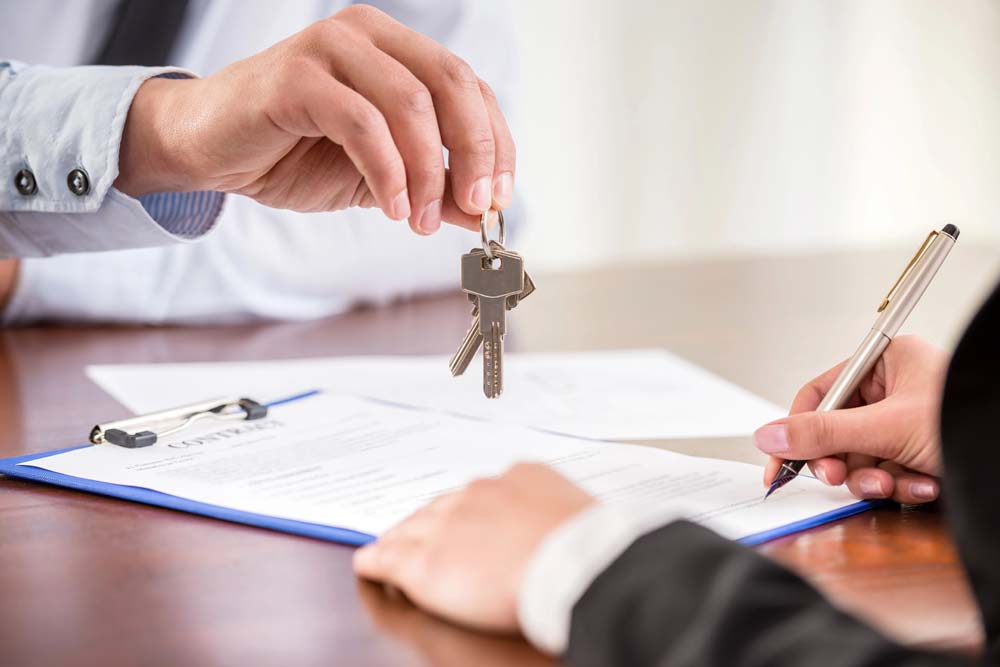
Closing costs are the fees and prepaid expenses required to finalize a real estate transaction, separate from the purchase price itself. They cover title work, loan origination, government recording, insurance, and prorated items like property taxes. Some are fixed by third parties (a title company, a lender, the county clerk). Others are negotiable between the buyer and seller as part of the purchase agreement.
Florida is what’s known as a “buyer and seller negotiate” state for closing costs, meaning there’s no statute assigning specific fees to specific parties. Instead, custom has developed regionally, and title companies and real estate agents follow it because deviating from local norms tends to slow down negotiations rather than speed them up.
Who pays the title insurance premiums?
This is the split that surprises the most out-of-state buyers, because it isn’t uniform across Florida.
Across the Tampa Bay area, the seller customarily pays for the owner’s title insurance policy. This policy protects the buyer against title defects that surface after closing, such as unresolved liens or ownership disputes. The buyer typically pays for the lender’s title insurance policy, which protects the mortgage company’s interest in the property.
South Florida counties, including Miami-Dade and Broward, generally reverse this. The buyer picks the title company and pays for the owner’s policy there. So a buyer relocating from Fort Lauderdale to the Tampa Bay area may expect to shop for and pay their own title insurance, only to find that locally, the seller usually covers it and often selects the title company. Neither approach is required by law; both are regional habits that stuck.
What does the seller typically pay?
Beyond the owner’s title policy, Florida sellers in the Tampa Bay area generally cover:
- The documentary stamp tax on the deed, calculated at $0.70 per $100 of the sale price in most Florida counties (Miami-Dade uses a different rate)
- Any agreed-upon repairs or credits negotiated during the inspection period
- Their prorated share of property taxes and HOA or condominium association dues up to the closing date
- Payoff of their existing mortgage, if applicable, plus any prepayment penalties
Sellers should budget for these as a percentage of sale price rather than a flat number, since commission can range from 2% to 6%.
What does the buyer typically pay?
Buyers across the Tampa Bay area generally cover:
- The lender’s title insurance policy
- Loan origination fees, underwriting fees, and other lender-charged costs
- Appraisal and credit report fees
- Recording fees for the deed and mortgage
- Prepaid items, including the first year of homeowner’s insurance, prorated property taxes, and mortgage interest from closing through the end of the month
- Survey costs, if a new survey is required by the lender
Cash buyers skip lender-related fees entirely, which meaningfully lowers their total at closing. A buyer paying cash for a $400,000 home in the Tampa Bay area might see closing costs closer to 1.5% of the purchase price, whereas a financed buyer on the same home could see 3% to 4%.
Can these costs be negotiated?
Yes. Everything in this article describes custom, not obligation. A seller’s concession, where the seller agrees to cover part of the buyer’s closing costs, is common in a buyer’s market and less common when inventory is tight. FHA and VA loans have their own rules about which costs a seller can and cannot pay on the buyer’s behalf, which matters for military relocations to MacDill Air Force Base and the surrounding area.
An out-of-state buyer or seller who assumes their prior state’s norms apply in Florida can walk into a negotiation asking for the wrong thing, or offering to pay for something local custom would normally assign to the other side. That’s an easy, avoidable mistake.
Where does a Synergistic Real Estate agent fit in?
Closing costs sound like a math problem until the invoices start arriving from four different companies at once: the title company, the lender, the insurance carrier, and the county clerk. Someone has to confirm each figure lines up with what was negotiated in the contract, and catch it early if a fee doesn’t match custom or the purchase agreement.
The buyer or seller remains the decision-maker on every dollar. But a Synergistic Real Estate agent reviews the closing disclosure line by line before the client signs anything, flags a fee that looks off, and pushes back on a title company or lender when a number doesn’t match what was agreed to weeks earlier. A seller who doesn’t catch a doubled recording fee, or a buyer who doesn’t notice a junk fee tucked into the lender’s estimate, pays for that oversight at the closing table in real money, not in theory.
How does Synergistic Real Estate approach closing costs?
Synergistic Real Estate walks buyers and sellers through the likely cost breakdown before an offer is written, not after it’s accepted, so nobody discovers a five-figure gap between what they expected and what the closing disclosure says.
Synergistic Real Estate is a certified woman-owned business based in Tampa, with deep roots across Hillsborough, Pinellas, Hernando, and Pasco Counties and a Midwestern work ethic that shows up in every step of the buying and selling process. We are committed to timely and responsive communication, available by phone, text, and email. When you call, we answer.
📞 813-940-8588 | synergisticrealestate.com