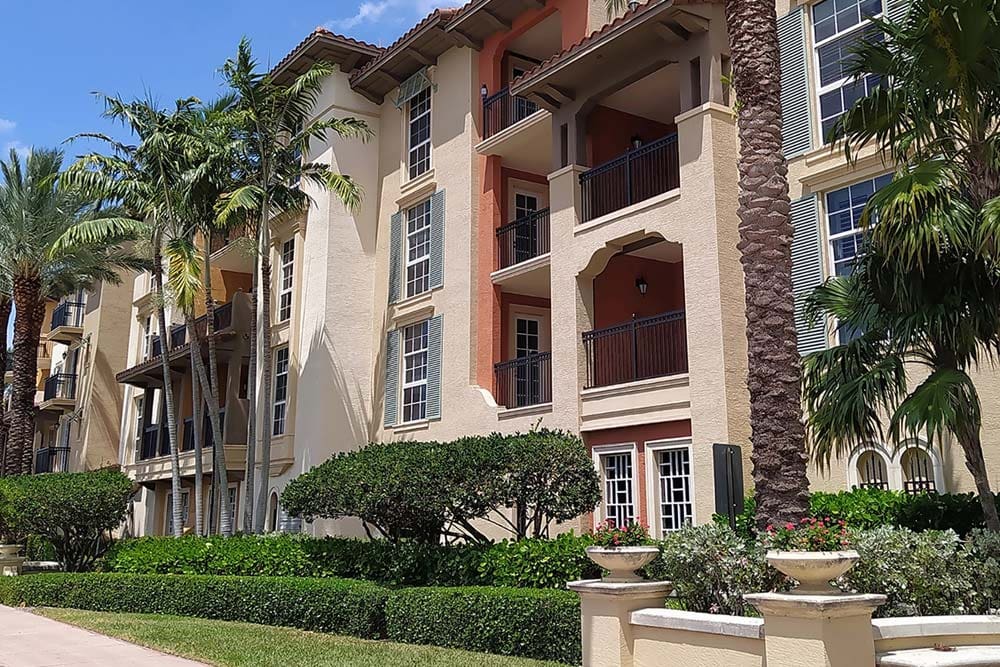
An investor buying a Florida condominium unit should read the condominium reserve study the way they would read a rental’s operating statement: for what is coming due and whether anyone has saved for it. In Florida, condominium buildings with three or more habitable stories must have a Structural Integrity Reserve Study (SIRS), and special assessments arise from the gap between what the study indicates the building needs and what the association is actually collecting.
Highlights
- A Florida Structural Integrity Reserve Study (SIRS) estimates how many years the major components of a condominium building have left and what it will cost to repair or replace each.
- In a Florida condominium, a shortfall between the reserve study’s recommendations and the association’s collections is the clearest early sign of a future special assessment.
- Florida condominium resale buyers get a short window after signing the contract and receiving the reserve study to cancel if the numbers don’t work.
- Synergistic Real Estate reviews the reserve study, the building inspection summary, and the association budget with investor clients as soon as the documents arrive, while cancellation is still an option.
- Synergistic Community Association Management, the sister company of Synergistic Real Estate, manages Florida condominium associations, so its team knows how boards set budgets around a reserve study.
What is the reserve study actually telling you?
A reserve study is a calendar of the building’s biggest bills. It lists components like the roof, windows, plumbing, and waterproofing, along with how many years each has left and the cost to replace them. Look for clusters where several expensive items come due in the same stretch of years. That is how most special assessments take shape.
Is the association saving enough to cover it?
The study recommends how much the association should set aside each year. Compare that figure to what the current budget actually collects. Florida buildings that require a SIRS can no longer skip funding those structural items, which is why dues in many older buildings have climbed. The question for an investor is whether today’s dues already reflect full funding or whether the increase is still ahead.
How will the association pay for major repairs?
Associations raise money for big projects through special assessments, higher dues, or loans. A loan feels gentler, but owners repay it through their monthly dues for years. Ask for recent board meeting minutes. They show what repairs are being discussed, what bids have come in, and whether a vote on funding is coming.
What does this mean for your rental numbers?
Dues increase, and special assessments come straight out of cash flow, and rent can’t follow right away when a tenant is on a 12-month lease. Run your numbers on next year’s likely dues, not this year’s. If the study shows major work during your planned hold, price the assessment into your offer.
What won’t the study tell you?
A reserve study is based on a visual inspection of the building’s shared components. It won’t cover anything the unit owner maintains, such as the interior of your unit, so a separate home inspection is still important. Read it alongside the building’s milestone inspection summary if one exists. For buildings under three habitable stories, no SIRS is required, and owners there can still vote to underfund reserves, so ask for whatever reserve study the association does have.
Where does a real estate agent fit in?
Reviewing a reserve study is as much a timing exercise as a math one. The cancellation window is short, and an engineering report takes real time to read. Synergistic Real Estate requests the association documents at the outset and flags the components that will require funding during the investor’s planned hold period. The investor makes the decision with those numbers in hand.
Liz Welch, broker and owner of Synergistic Real Estate, is also a licensed community association manager, so the team reviewing a reserve study with you has seen firsthand how boards build a budget around one.
An investor who closes without reading the study can inherit a roof and a waterproofing project that both reach the end of their useful life within the first two years, with the special assessment arriving before the first lease renews.
Synergistic Real Estate is a certified woman-owned business based in Tampa, with deep roots across Tampa Bay and a Midwestern work ethic that shows up in every step of the investment process. We serve investors across Florida. We are committed to timely and responsive communication, available by phone, text, and email. When you call, we answer.
This article is general information, not legal, tax, or financial advice. Talk with a Florida attorney or tax professional about your specific purchase.